The Biggest Loyalty Shift in Beer History created an opening.
MAGA Beer Is Built to Fill It.
The consumers who walked away did not stop drinking beer. They started looking for a brand that reflects who they are.


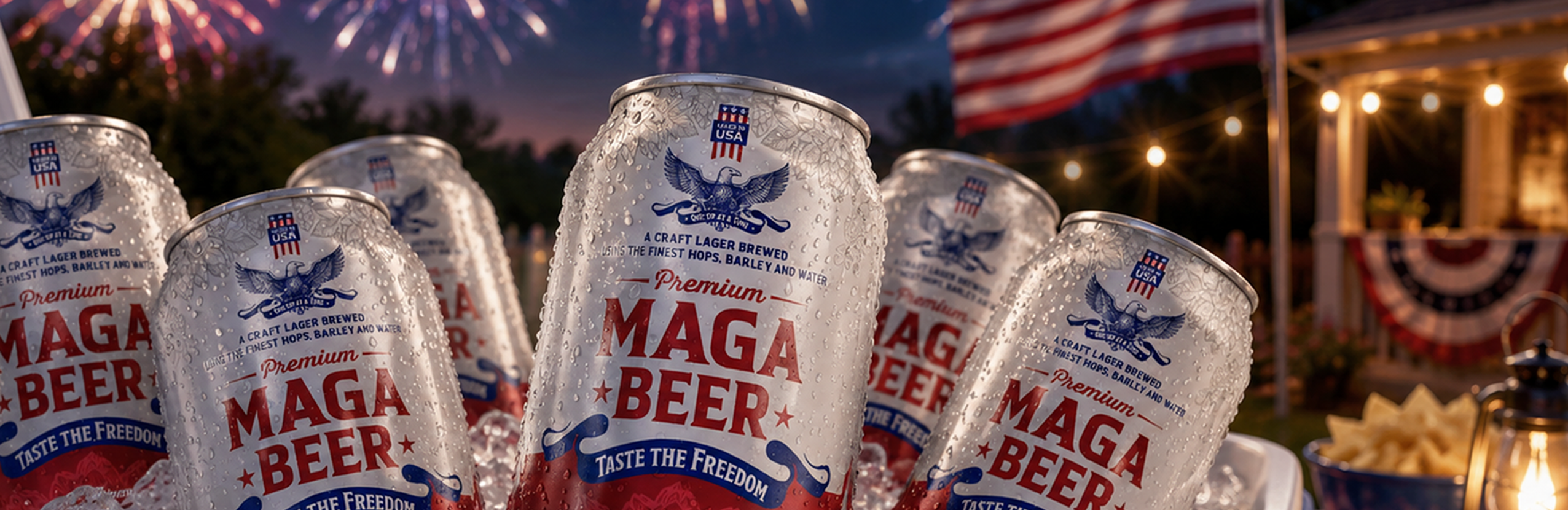
The biggest consumer revolt in beer history created the biggest opening in beer history.
In April 2023, Bud Light — the top-selling beer in America —lost $1.4 billion in U.S. sales in a single year. By February 2025, its sales were still 40% below pre-boycott levels. Retailers reduced its shelf space by up to 7.5%. Modelo took its number one position. Michelob Ultra took its number two. The consumers who walked away did not stop drinking beer. They started looking for a brand that reflects who they are.
MAGA Beer was built for exactly that consumer, at exactly this moment. This is not a niche play. This is a strategically timed entry into a $117 billion market at the precise moment a major loyalty shift has created a category-wide opening — and no dominant brand has moved to claim it.
The team behind MAGA Beer has built and exited global alcohol brands. The advisor on record co-founded Patron Spirits. The operational infrastructure is institutional. The consumer demand is documented and real.
Data Sources: 1. Anheuser-Busch InBev 2023 Annual Report and Full-Year 2023 Results.
2. Market Data Forecast, North America Beer Market Report.
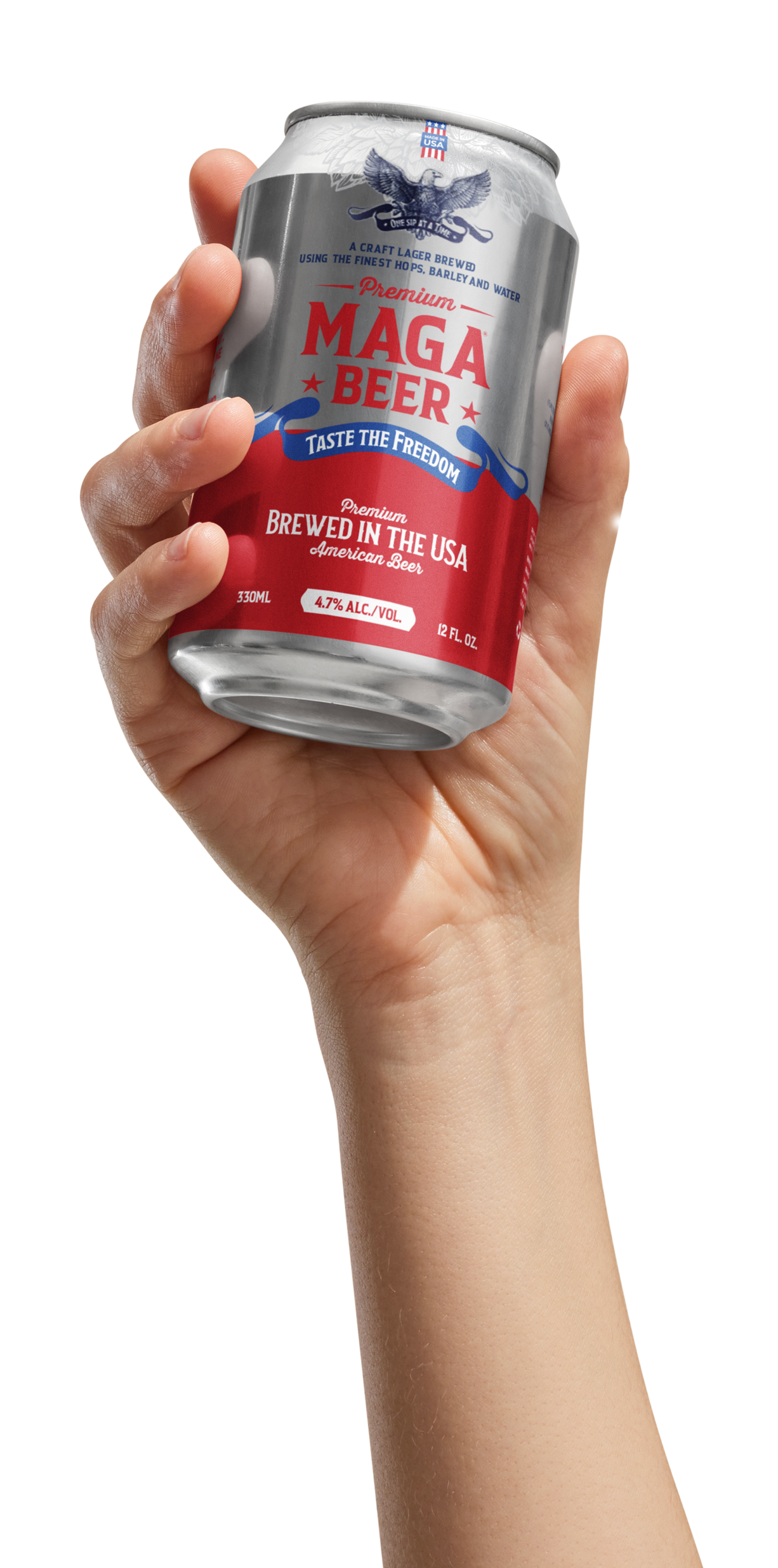
Bud Light sales fell between 11% and 26% in the month following the controversy
Sales and purchase incidence were 28% lower over the following three months compared to prior years
Approximately 15% of previously loyal Bud Light customers permanently shifted their beer spending to other brands
By February 2025 — nearly two years later — sales remained 40% below pre-boycott levels
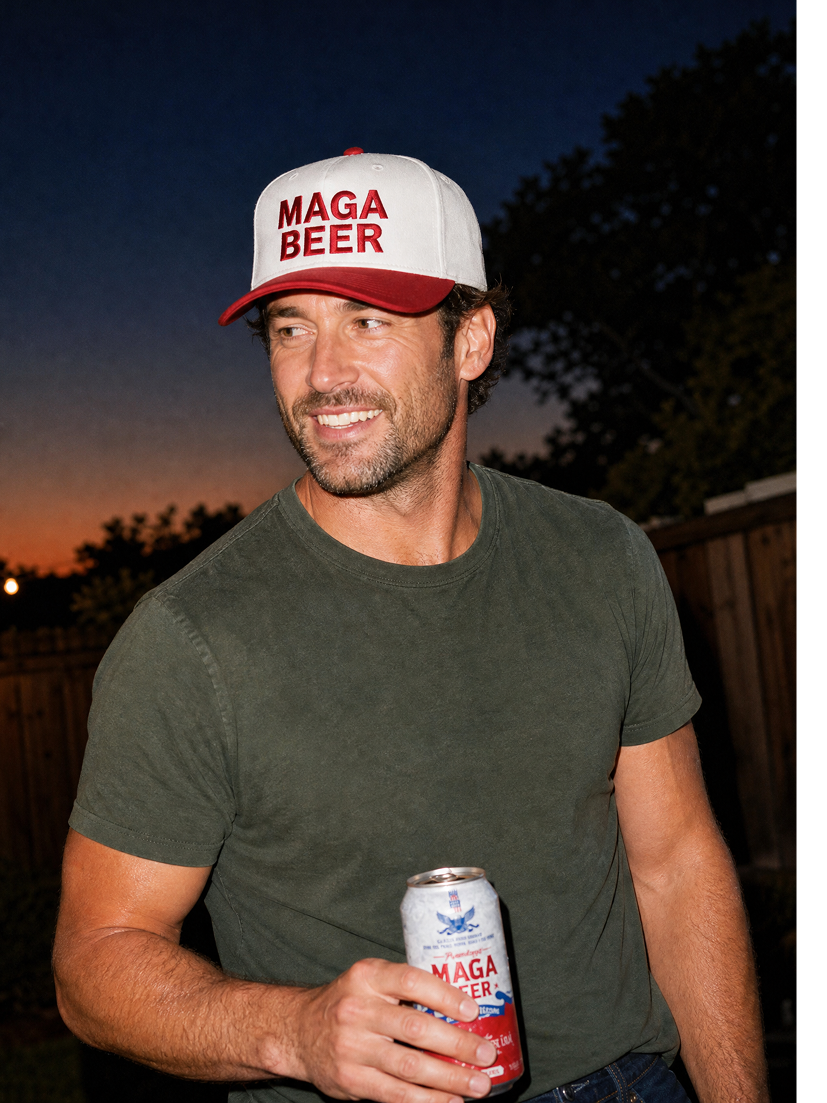
MAGA Beer exists to reignite nostalgia for America’s golden age.
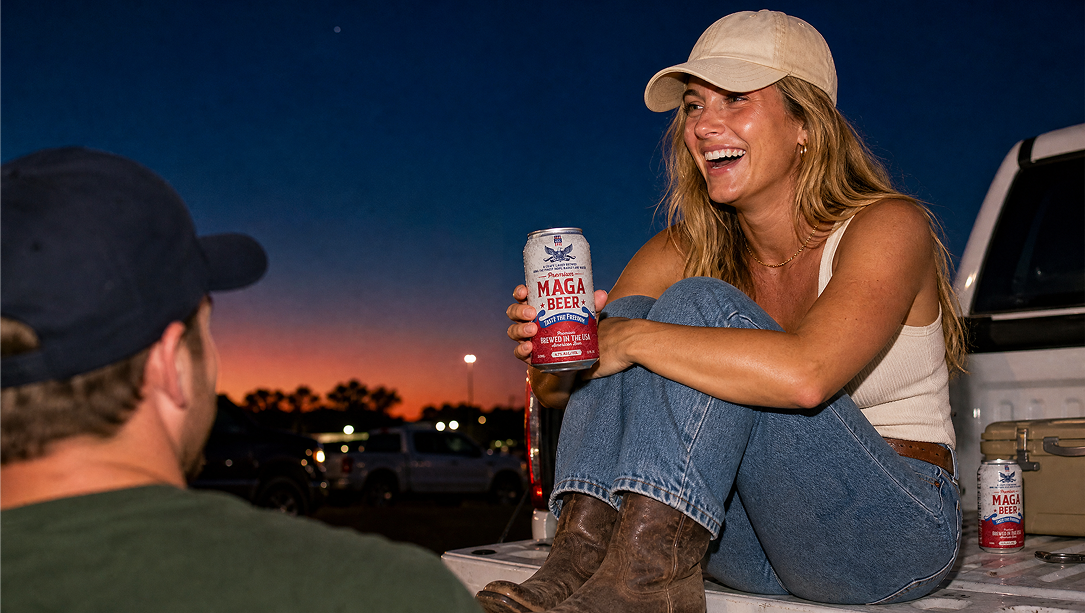
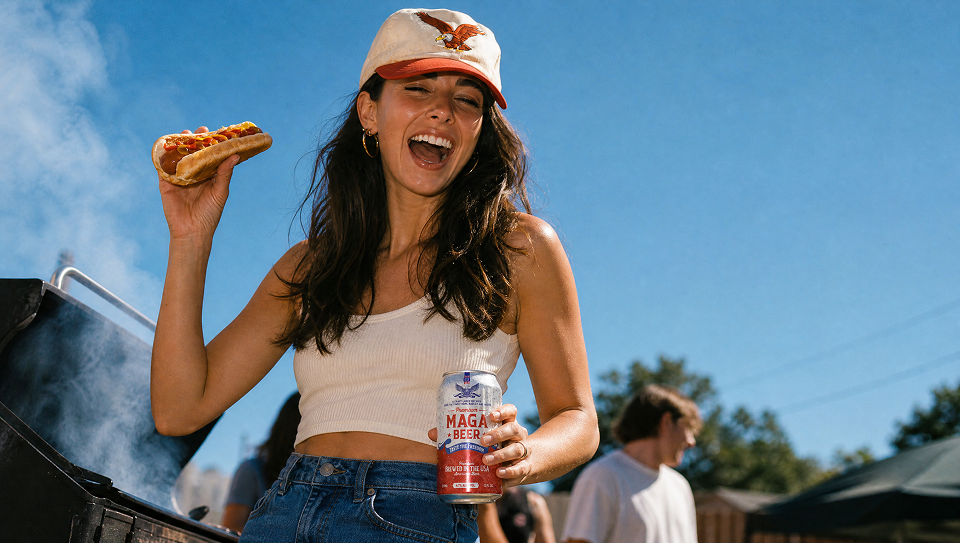
It’s that feeling of watching baseball with your dad, firing up the backyard grill, cruising down Main Street with classic rock on the radio, and cracking open a cold one after a long day’s work. In the 1980s, America was bold, proud, and full of ambition. It was the era of muscle cars, blue jeans, backyard barbecues, small-town diners, and Friday night football games. The beer industry was at its peak, with brands like Budweiser and Coors defining the working-class American experience. That’s the spirit we’re bringing back.
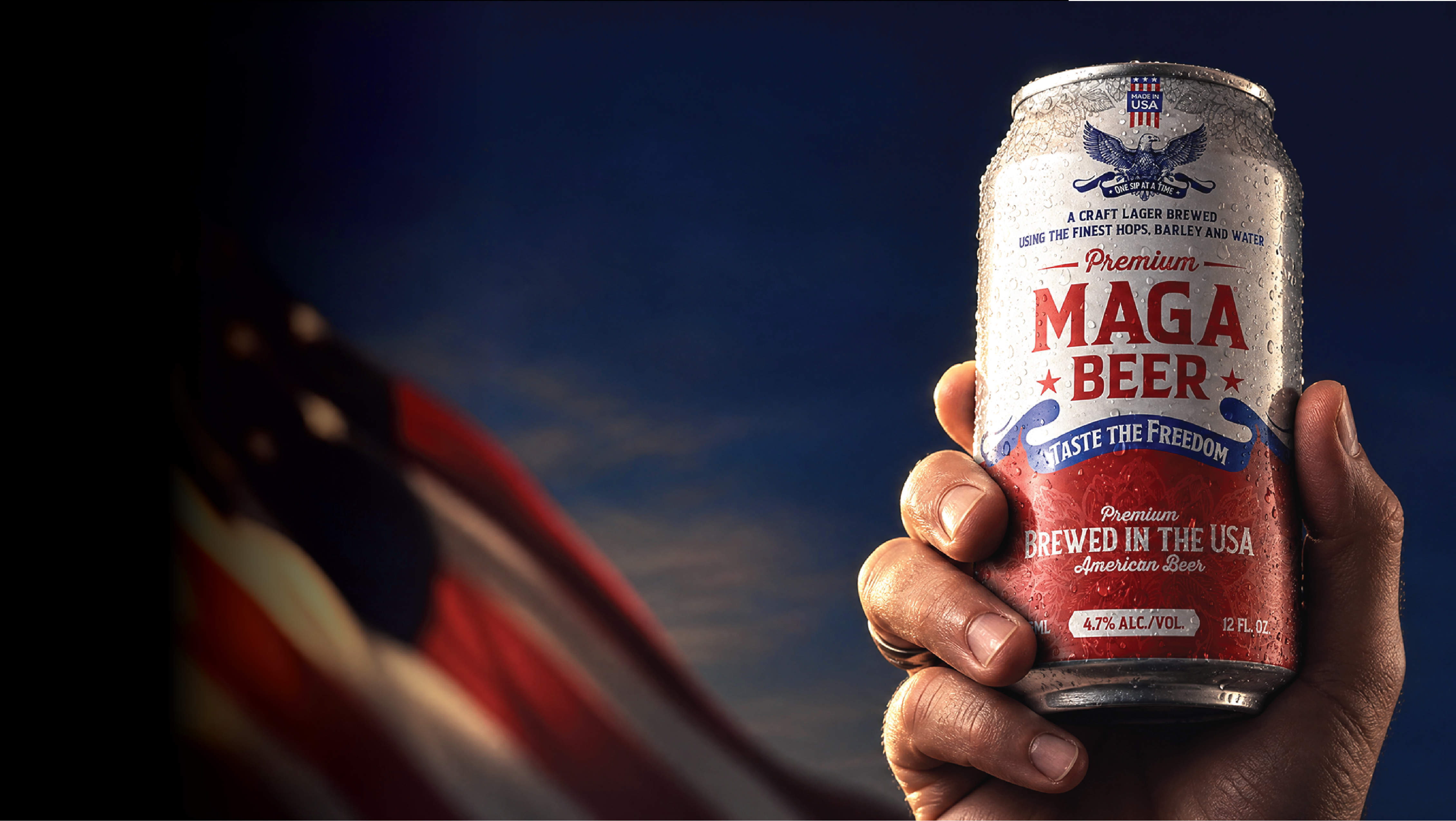
MAGA Beer is the liquid embodiment of the American Dream. It stands for freedom, tradition, and the hard work that built this country.
Get the investor deck

A Patriotic American Beer Brand.
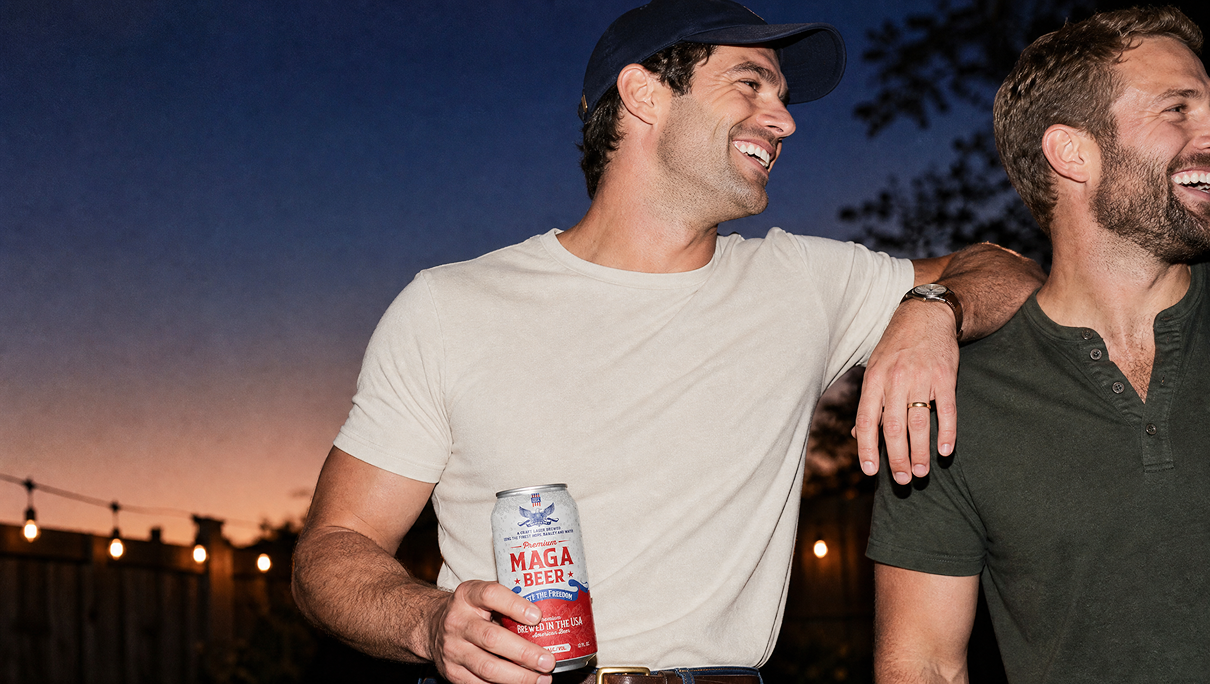
MAGA Beer is for the people who live by American values, and who just want a damn good beer.
Invest on DealMaker. Own a piece of the brand built for the Americans who are ready to be heard.
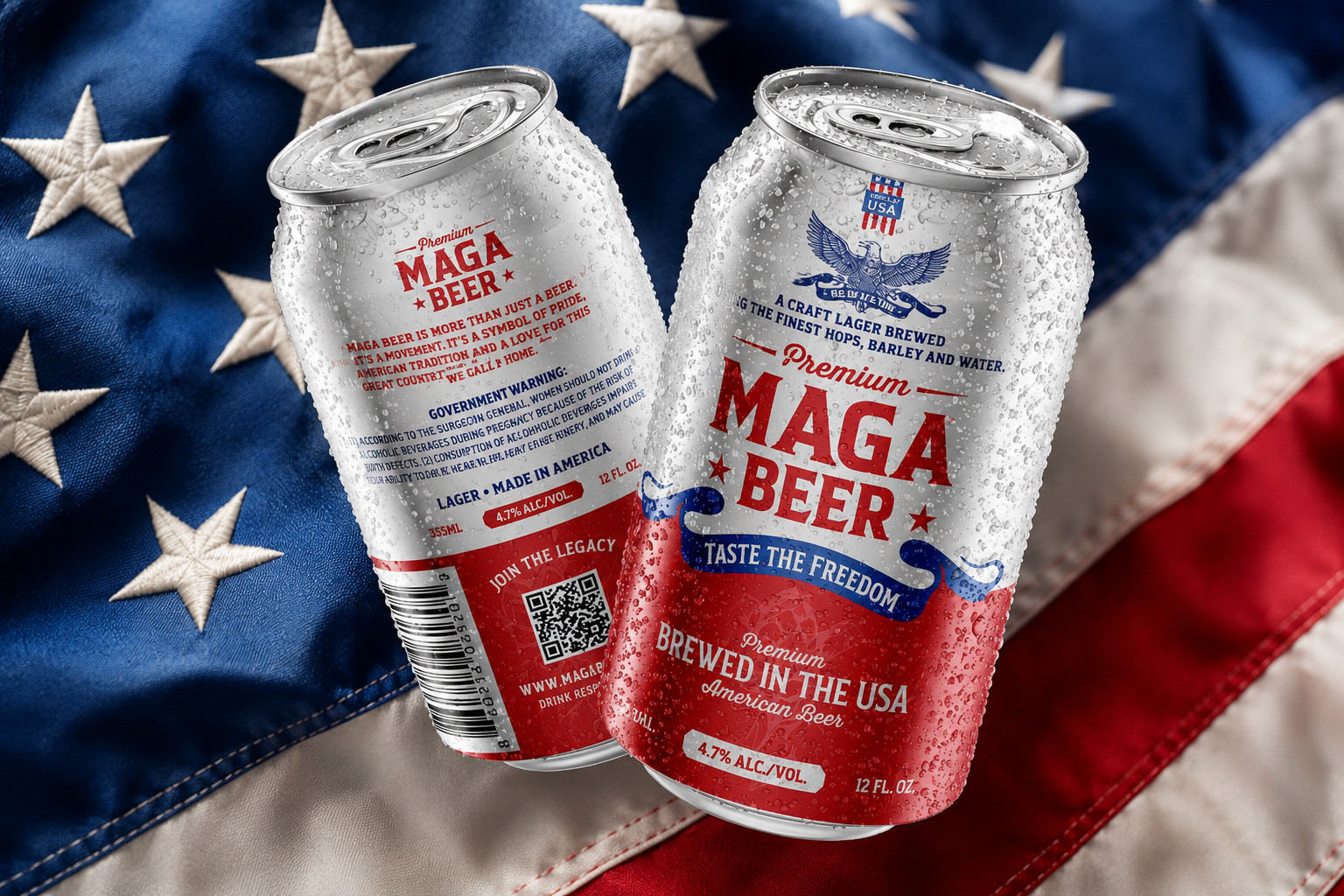
The shelf space left behind has not been filled.
Major beer brands have spent decades building loyalty with a specific American consumer segment. In 2023, the largest of them decisively broke that contract.
These consumers did not leave beer. They left the brand. And the brands that gained from Bud Light's loss — Modelo and Michelob Ultra — are not conservative-identity products. They are mainstream brands that benefited from shelf proximity, not from genuine alignment with this consumer. The consumer is still looking for a home.
A Large Category, a Documented Consumer Shift, and a Potential White-Space Opportunity
The modeled addressable opportunity is calculated by applying a 5% illustrative capture assumption to the approximately $1.4 billion decline in AB InBev’s U.S. organic revenue reported for 2023. The Company has not independently verified that this historical decline constitutes an identifiable or currently available revenue pool.
U.S. BEER MARKET
BARRELS OF BEER SHIPPED (2023)
MODLED ADDRESSABLE OPPORTUNITY
MAGA BEER 3-YEAR REVENUE TARGET
LIGHT-BEER SEGMENT SHARE
AB InBev DECLINE
A Large, Established Beer Market Undergoing Brand and Consumer Change
The United States remains one of the world’s largest beer markets. In 2023, the U.S. beer industry shipped approximately 192 million barrels, equivalent to more than 2.6 billion 24-pack cases. Beer therefore remains a substantial and established consumer category, although overall industry volumes have recently declined.
Industry performance also demonstrates that consumer demand and brand rankings can change materially. AB InBev reported that its United States revenue declined 9.5% in 2023 and that its U.S. sales-to-retailers declined 12.7%, primarily due to lower Bud Light volume. Across North America, the company’s reported revenue declined by approximately $1.36 billion between 2022 and 2023.
These results demonstrate the potential for meaningful shifts in purchasing behavior within a mature consumer category. They do not mean that the revenue lost by an established producer is automatically available to MAGA Beer or any other emerging brand.
MAGA Beer’s ability to generate revenue will depend on factors including consumer adoption, production capacity, regulatory approvals, distributor relationships, retail placement, marketing execution, competition and access to capital. The Company cannot assure investors that it will capture any particular portion of the U.S. beer market or sales previously associated with another beer brand.
Data Sources: 1. Anheuser-Busch InBev 2023 Annual Report and Full-Year 2023 Results.
2. National Beer Wholesalers Association, Industry Fast Facts, citing the U.S. Alcohol and Tobacco Tax and Trade Bureau and U.S. Department of Commerce.
3. Brewers Association, National Beer Sales and Production Data.
4. Market Data Forecast, North America Beer Market Report, for the separately identified 58.6% third-party estimate.
our raise at a glance
Major beer brands have spent decades building loyalty with a specific American consumer segment. In 2023, the largest of them decisively broke that contract.
COMMON STOCK SHARES
VALUATION CAP
PRICE PER SHARE
MIN. INVESTMENT
MAX. RAISE
RAISE CLOSING DATE
Built Around a Simple Insight: People Do Not Just Buy Beer. They Buy Identity.
The founding thesis behind MAGA Beer was not complicated. American consumer brands that reflect the identity of their audience consistently out perform those that try to appeal to everyone. Bud Light spent decades as the dominant American beer not because it was the best-tasting product on the shelf, but because it was the culturally aligned one. When it broke that alignment, it lost a third of its market share in under two years and has not recovered. MAGA Beer was built to claim that displaced alignment — and todo it with a product that stands on its own merits.
Co-founder Johnny Fratto contributes media and audience-building expertise and deep direct access to the brand's core consumer community.
The broader team adds institutional discipline. Alumni from Coca-Cola, MillerCoors, and Red Bull bring distribution mechanics, retail execution, and consumer brand growth at a scale most early-stage companies never access. Inter Continental Beverage Capital adds the capital markets and distribution infrastructure that compress the timeline from launch to national presence.
And standing behind all of it is John Paul DeJoria —co-founder of Patron Spirits, the most storied American beverage exit of the modern era — as a strategic advisor. His presence signals not just credibility, but category ambition.
Our team
Great brand positioning is not enough. The market is full of well-positioned products that failed to scale because the team behind them lacked the relationships, infrastructure, and operational discipline to execute. MAGA Beer does not have that problem.

Media, branding, and audience-building expertise. Deep direct access to the brand's target consumer community.
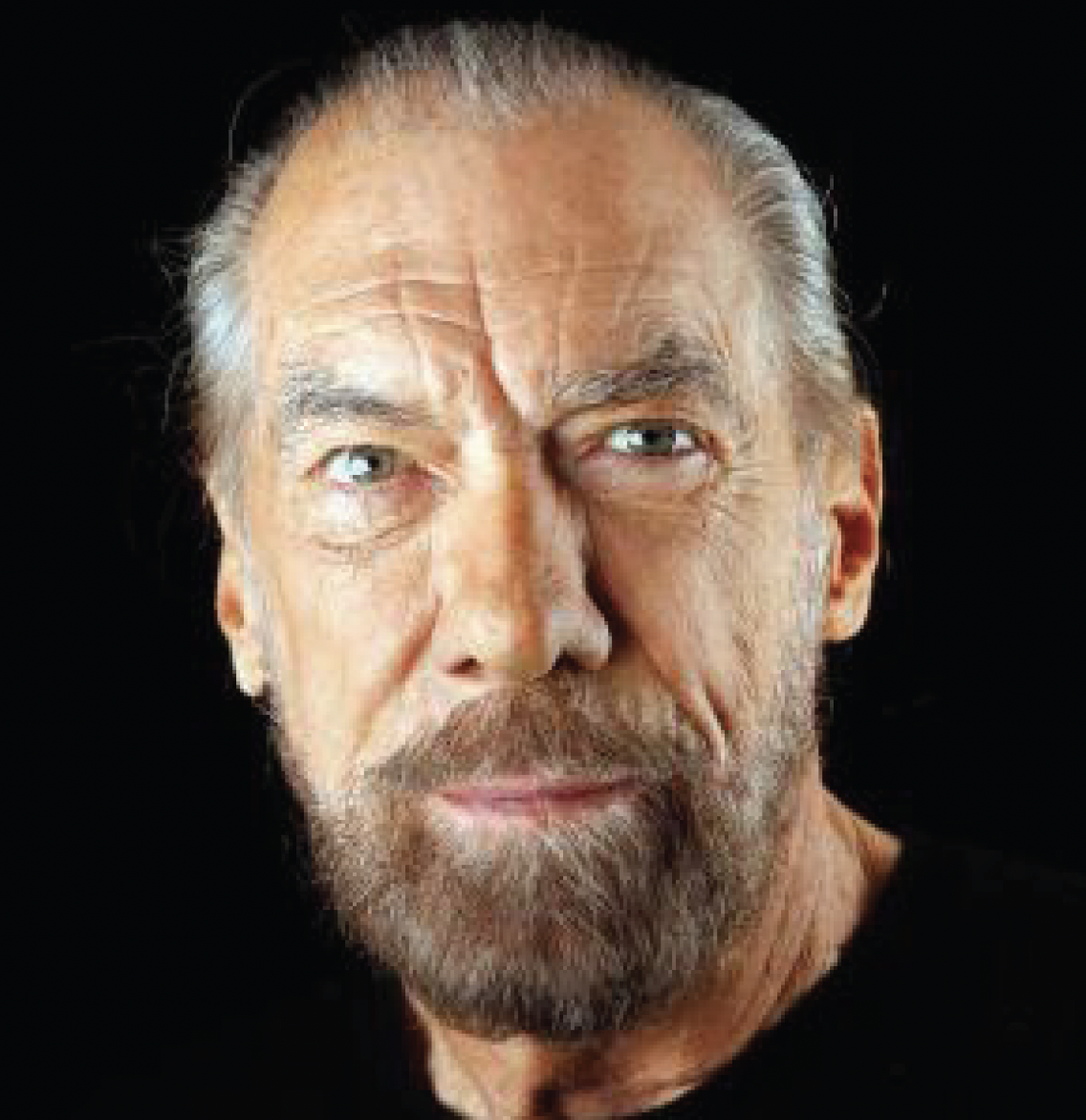
Co-founder of Patron Spirits (multibillion-dollar exit). One of the most recognized names in beverage brand building.
Past performance is not indicative of future results.
Great Positioning Isn't Enough. We Also Brought the People Who've Already Done This.

Global Beverage Pedigree
Leadership experience spans Coca-Cola, MillerCoors, and Red Bull North America — commercializing new brands at a scale most early-stage companies never access.
6,000+ Outlets in Two Years
CFO Johnnie D. Blankenship led Hawaii Volcanic Beverages from a local Hawaiian brand into the #1 premium RTD water in Hawaii, expanding into 6,000+ outlets across western U.S. markets.
A Multi-Billion-Dollar Exit, Firsthand
Co-Founder Dave Schaffel co-founded and served as CIO of CoStar Group, helping grow it from a startup into a multi-billion-dollar public company and overseeing funding rounds that raised over $100 million.
EXCLUSIVE INVESTMENT PERKS
Bonus items and perks based on investment level.
Get the investor deck

The Americans Who Walked Away from Bud Light Are Ready to Own Something Instead.
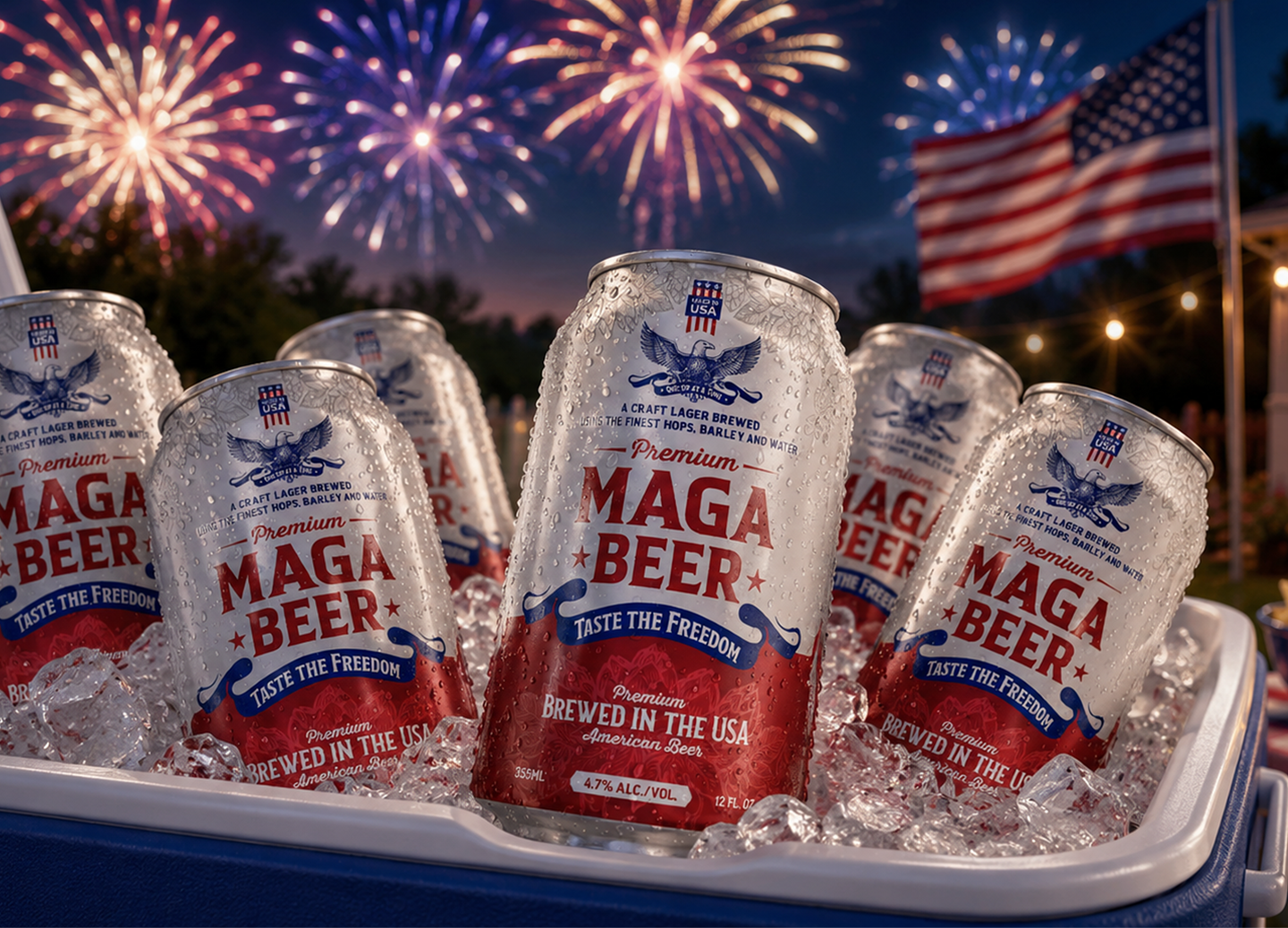
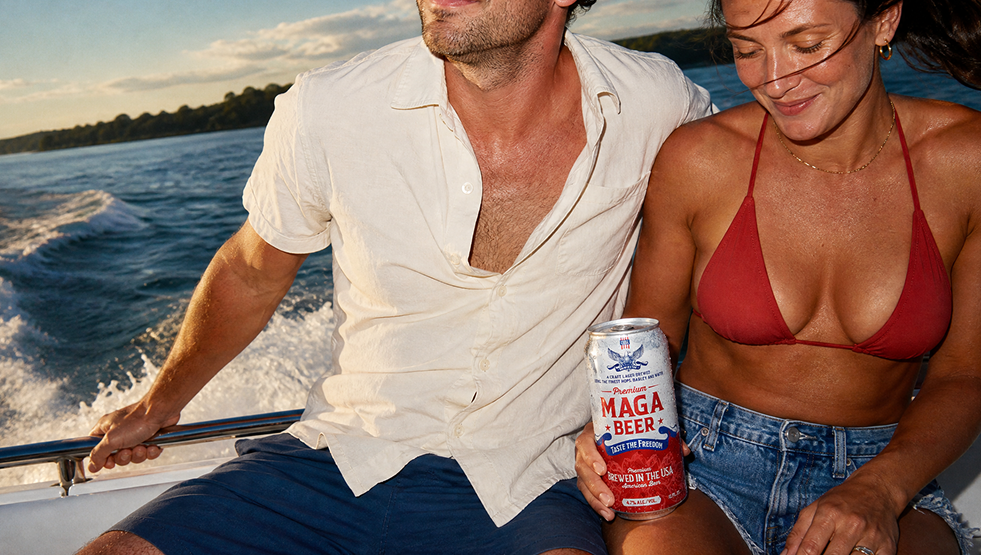
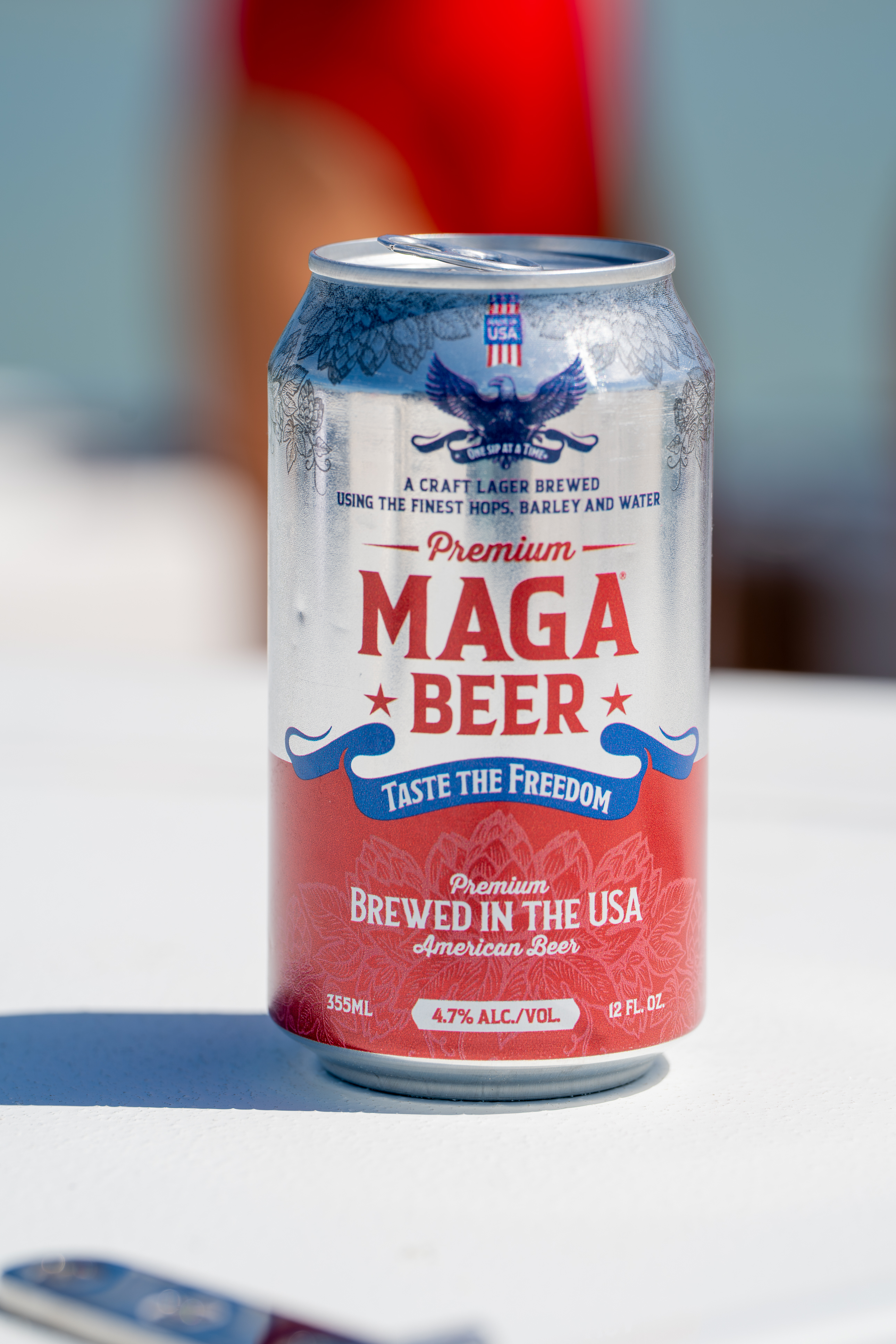
Nearly two years after the largest consumer revolt in Americanbeer history, the displaced demand is still there. Bud Light has not recovered. The shelf space has not been permanently filled. And the consumer who walkedaway has not found a brand that reflects who they are. MAGA Beer is that brand. Built on a product that stands on its own. Backed by operators who have scaled and exited global brands. Advised byone of the most recognized names in American beverage history. Supported by institutional infrastructure that compresses the path to national distribution.
Frequently Asked Questions
Why invest in startups?
Regulation CF allows investors to invest in startups and early-growth companies. This is different from helping a company raise money on Kickstarter; with Regulation CF Offerings, you aren’t buying products or merchandise - you are buying a piece of a company and helping it grow.
How much can I invest?
Accredited investors can invest as much as they want. But if you are NOT an accredited investor, your investment limit depends on either your annual income or net worth, whichever is greater. If the number is less than $124,000, you can only invest 5% of it. If both are greater than $124,000 then your investment limit is 10%.
How do I calculate my net worth?
To calculate your net worth, just add up all of your assets and subtract all of your liabilities (excluding the value of the person’s primary residence). The resulting sum is your net worth.
What are the tax implications of an equity crowdfunding investment?
We cannot give tax advice, and we encourage you to talk with your accountant or tax advisor before making an investment.
Who can invest in a Regulation CF Offering?
Individuals over 18 years of age can invest.
What do I need to know about early-stage investing? Are these investments risky?
There will always be some risk involved when investing in a startup or small business. And the earlier you get in the more risk that is usually present. If a young company goes out of business, your ownership interest could lose all value. You may have limited voting power to direct the company due to dilution over time. You may also have to wait about five to seven years (if ever) for an exit via acquisition, IPO, etc. Because early-stage companies are still in the process of perfecting their products, services, and business model, nothing is guaranteed. That’s why startups should only be part of a more balanced, overall investment portfolio.
When will I get my investment back?
The Common Stock (the "Shares") of Best Is Yet To Come Brewing, Inc. (the "Company") are not publicly-traded. As a result, the shares cannot be easily traded or sold. As an investor in a private company, you typically look to receive a return on your investment under the following scenarios: The Company gets acquired by another company. The Company goes public (makes an initial public offering). In those instances, you receive your pro-rata share of the distributions that occur, in the case of acquisition, or you can sell your shares on an exchange. These are both considered long-term exits, taking approximately 5-10 years (and often longer) to see the possibility for an exit. It can sometimes take years to build companies. Sometimes there will not be any return, as a result of business failure.
Can I sell my shares?
Shares sold via Regulation Crowdfunding offerings have a one-year lockup period before those shares can be sold under certain conditions.
Exceptions to limitations on selling shares during the one-year lockup period:
In the event of death, divorce, or similar circumstance, shares can be transferred to:
• The company that issued the securities;
• An accredited investor;
• A family member (child, stepchild, grandchild, parent, stepparent, grandparent, spouse or equivalent, sibling, mother-in-law, father-in-law, son-in-law, daughter-in-law, brother-in-law, or sister-in-law, including adoptive relationships).
What happens if a company does not reach their funding target?
If a company does not reach their minimum funding target, all funds will be returned to the investors after the close of the offering.
How can I learn more about a company's offering?
All available disclosure information can be found on the offering pages for our Regulation Crowdfunding offering.
What if I change my mind about investing?
You can cancel your investment at any time, for any reason, until 48 hours prior to a closing occurring. If you’ve already funded your investment and your funds are in escrow, your funds will be promptly refunded to you upon cancellation. To submit a request to cancel your investment please email: info@dealmakersecurities.com
How do I keep up with how the company is doing?
At a minimum, the company will be filing with the SEC and posting on its website an annual report, along with certified financial statements. Those should be available 120 days after the fiscal year end. If the company meets a reporting exception, or eventually has to file more reported information to the SEC, the reporting described above may end. If these reports end, you may not continually have current financial information about the company.
What relationship does the company have with DealMaker Securities?
Once an offering ends, the company may continue its relationship with DealMaker Securities for additional offerings in the future. DealMaker Securities’ affiliates may also provide ongoing services to the company. There is no guarantee any services will continue after the offering ends.
What is Best Is Yet To Come Brewing, Inc. pre-money valuation?
Best Is Yet To Come Brewing, Inc.'s pre-money valuation is $32.5M. The valuation was calculated by multiplying the total number of shares outstanding (TSO) by the price per share offered in this raise. This is a pre-money valuation — meaning it reflects the company's value before any new funds raised in this offering are added.